
🌕मार्गशीर्षाची साधना : शनि-कृपेपासून अय्यप्पा अनुभूतीपर्यंत Margashirsha Spiritual Practice: From the Grace of Shani to the Experience of Ayyappa
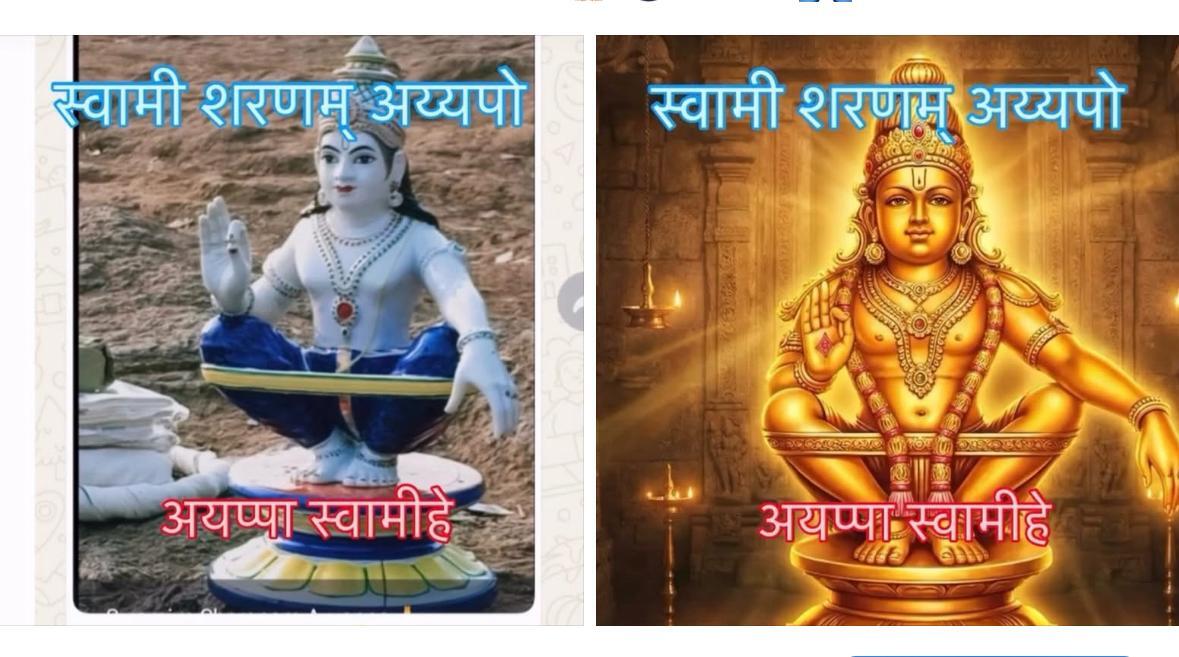
🌕Margashirsha Spiritual Practice: From the Grace of Shani to the Experience of Ayyappa 🌕
December—known as the month of Margashirsha—is recognized across the world as a time of joy, gratitude, and celebration. After the harvest season, festivals like Thanksgiving and Christmas, along with traditional Margashirsha observances, are celebrated to preserve wealth, food, and prosperity. This period is not just about festivities but is considered a sacred time to bring stability and balance into life.
For devotees of Ayyappa, this period involves intense spiritual discipline. A 41-day vow (vrat) is observed, including fasting, self-control, and a strictly regulated lifestyle. This practice is not merely about physical purification, but a deep penance of the mind, intellect, and soul.
From a spiritual perspective, Shani (Saturn) is regarded as the judge of karma, teaching discipline, restraint, and detachment, while Kartikeya symbolizes courage and adherence to rules. Therefore, worship of Hanuman and Ayyappa is considered especially beneficial for receiving Shani’s blessings.
Temple festivals during Margashirsha continue until Makar Sankranti. Ancient texts mention a subtle cosmic discord between Shani and Surya during this time. It is believed that when Shani enters a position opposing the Sun’s zodiac sign, a symbolic tension arises. Around this same period, the divine light (Makara Jyoti) seen from the Sabarimala Temple offers devotees a profound spiritual experience.
🔹 In the Ayyappa Vrat —
Practices such as:
Wearing black clothes
Walking barefoot
Fasting
Cooking one’s own food
Renouncing electronic devices
Sleeping on the floor
Observing celibacy
Offering jaggery and black-colored items as prasad
—all reflect disciplines that are aligned with what is considered प्रिय (dear) to Shani.
Therefore, the worship of Ayyappa Swami is not just a ritual vow but a rigorous path of self-purification—similar to the disciplined spiritual practices associated with Shani.
When the chant “Swamiye Sharanam Ayyappa” echoes at Sabarimala, it is not merely a slogan—it is the sacred sound of divine unity between the devotee and the deity.🙏